
Showing posts with label home front. Show all posts
Showing posts with label home front. Show all posts
Friday, 3 July 2015
Your Home As An Air Raid Shelter (1940) #WW2
Excellent Pathe film demonstrating how to protect yourselves in an air raid.


Tuesday, 17 February 2015
#WW2 Wartime Shortages In Britain Pt2
| Plant a victory garden found here:http://ts1.mm.bing.net/th?id=HN.608049532852309985&pid=1.7 |
Continuing from my last post, many things were in short supply during the Second World War including clothing. Britain, being an island, was dependent on imports to feed its population. Shipping space was prioritised for arms and ammunition, oil, and other equipment that Britain needed to keep fighting Germany and the Axis. As the war went on it got worse due to Britain being alone after June 1940, when France surrendered. Bananas, oranges and other imported foodstuffs soon disappeared from shop shelves. Eggs became scarce, powdered eggs became common in people's kitchens. Meat was also scarce, the government controlling how farmers farmed their land as grain was needed for bread making not for feeding as many animals as before the war. Spam was imported from the United States, and people often started a pig co-operative, feeding food waste to a pig and sharing it when it was slaughtered.
 |
| Dig For Victory found here:http://rlv.zcache.com/dig_for_victory_food_rationing_wartime_propaganda_postcard-rd70bed5e82af40318f418bb318bcb1d6_vgbaq_8byvr_324.jpg |
Petrol was also rationed, people were encouraged to think about rail and bus journeys, as servicemen had to have priority.
 |
| Is Your Journey Really Necessary found here:http://www.bookdrum.com/images/books/31564_o.jpg |
#WW2 Wartime Shortages In Britain Pt 1
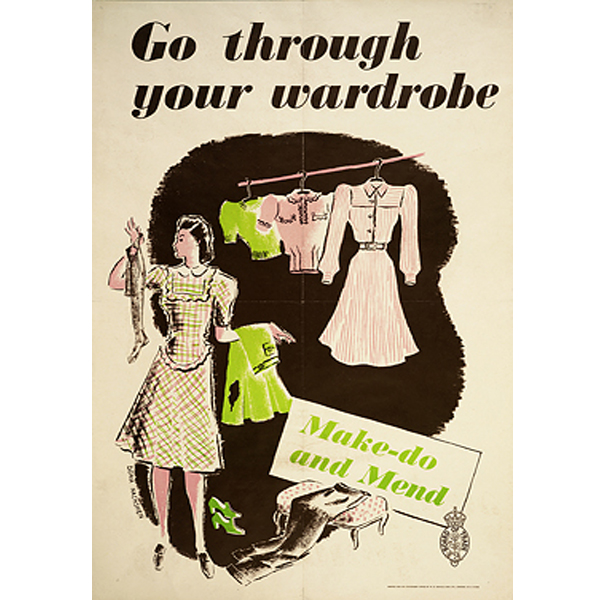 |
| Go Through Your Wardrobe advert found here:http://www.iwmshop.org.uk/images/prod_20260.jpg |
There were many shortages in Britain during the Second World War. Most everyday items were rationed; clothes, foodstuffs, fuel (heating oil, petrol, coal, coke). People learnt to 'make do and mend' when clothes wore out and became adept at improvising.
Clothes manufacture concentrated on making uniforms, the British Forces uniforms were made mainly of wool due to cotton having to be imported (remember this was before synthetic fibres).
New clothes for civilians were of a limited range and you needed clothing coupons from your ration book to buy them, so you had to choose wisely. The Women's Voluntary Service ran a clothing exchange, you were given points to use when you brought old clothes in.
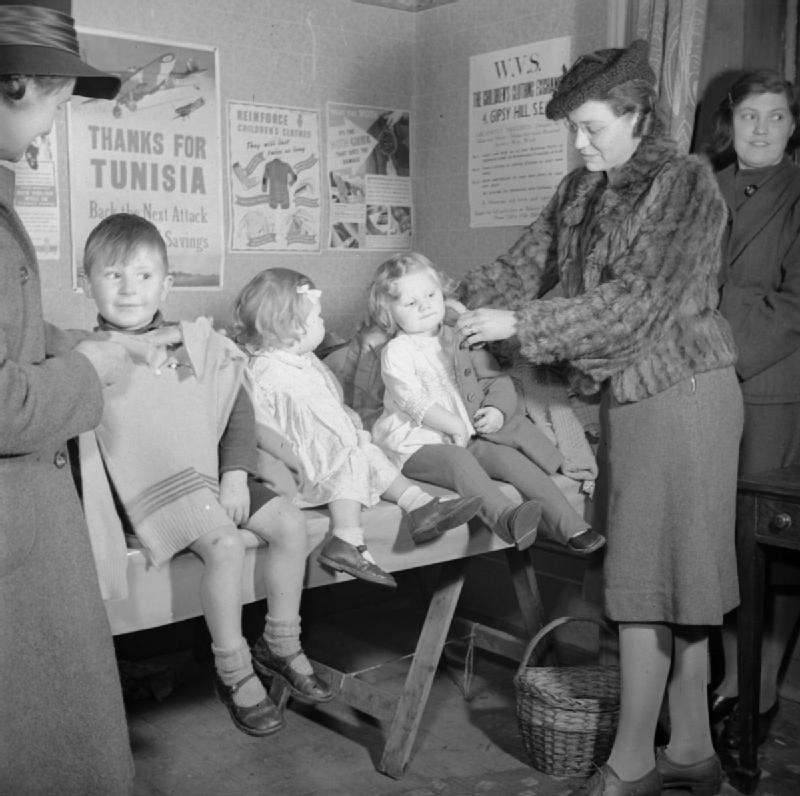 |
| WVS Clothing Exchange, photograph can be found here: Click here for WW2 WVS Clothing Exchange |

Clothes Rationing
Everyone was given a book of 66 coupons to use to buy new clothes for one year.
This was cut to 48 in 1942 and 36 in 1943. Each item of clothing cost a certain number of coupons.
Item | Men | Women | Children |
|---|---|---|---|
Raincoat
|
16
|
15
|
11
|
Overcoat
|
7
|
7
|
4
|
Jacket
|
13
|
12
|
8
|
Shirt/Blouse
|
5
|
4
|
3
|
Jumper/Cardigan
|
5
|
5
|
3
|
Trousers
|
8
|
8
|
6
|
Shorts
|
3
|
3
|
2
|
Skirts
|
8
|
6
| |
Boot/Shoes
|
7
|
5
|
3
|
Nightdress/Pyjamas
|
8
|
6
|
6
|
Underpants/Knickers/Vest
|
3
|
3
|
2
|
Socks/Stockings
|
2
|
2
|
1
|
Saturday, 14 February 2015
#ww2 Rationing In The Second World War In Great Britain
 |
| Image found at http://images.esellerpro.com/2486/I/313/8/coaster-ration-book.jpg |
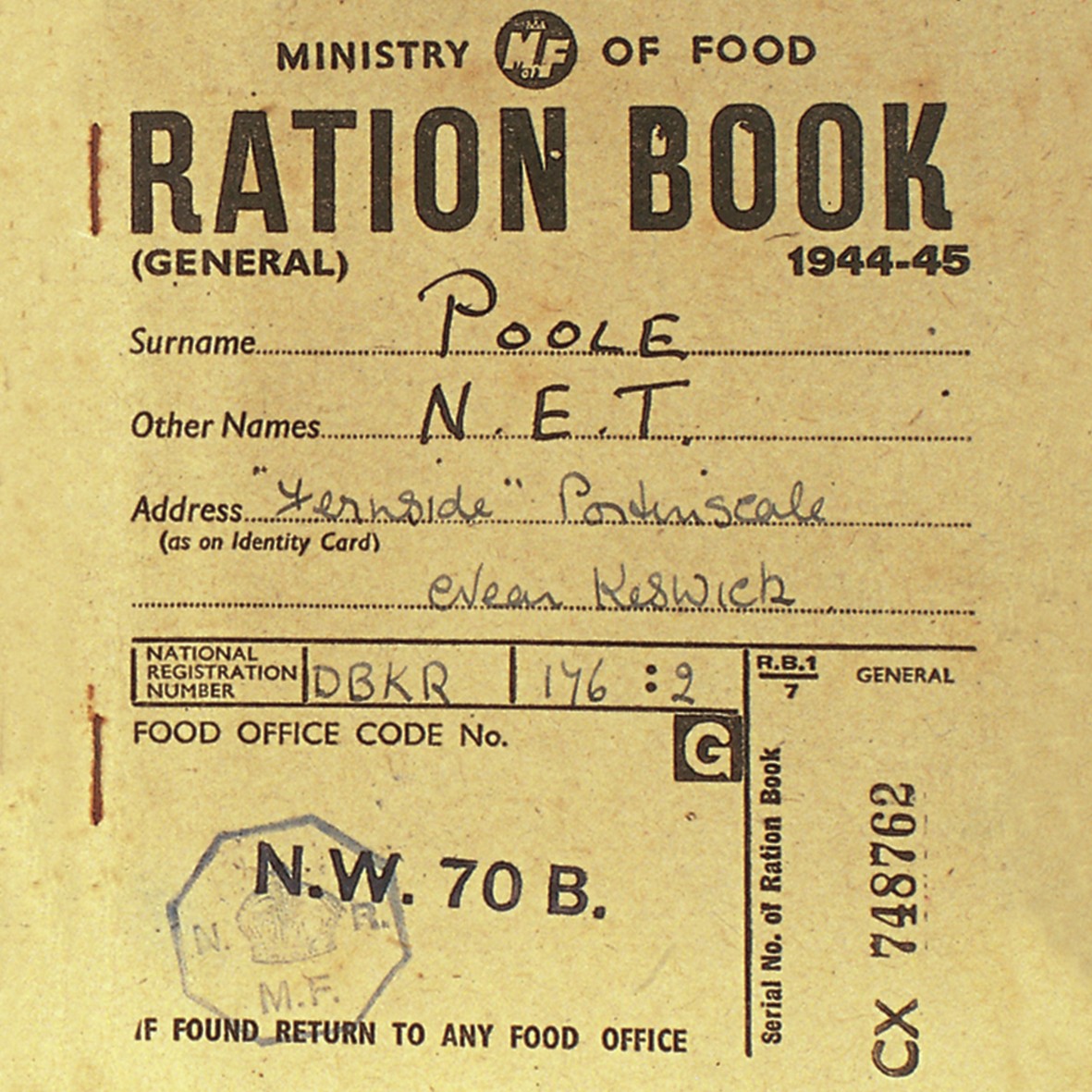
In Great Britain rationing food was essential to the country's survival. As soon as hostilities began on September 3rd 1939, Great Britain was effectively under siege,and from June 1940 she was on her own. Due to being an island, food had to be rationed other wise the country would run out of food. Without imports from U.S.A, Canada and the Commonwealth life would have been impossible. The war in the Atlantic also took its toll on imports,reaching a peak in 1943. From the outset, the population of Great Britain had to grin and bear it before any bombs had fallen.

Image found at: http://www.rhiw.com/y_mor/hugh_roberts/atlantic/shipsbuiltandsunk.gif
WW2 Food Rations.
This is the ration for one adult per week.
BACON and HAM ……… 4ozs ( 100g )
MEAT …………………… to the value of 1s.2d ( 6p today ). Sausages were not rationed but difficult to obtain : offal was originally unrationed but sometimes formed part of the meat ration.
BUTTER ………………… 2ozs ( 50g )
CHEESE ………………… 2ozs ( 50g ) sometimes it rose to 4ozs ( 100g ) and even up to 8ozs ( 225g )
MARGARINE ……………… 4ozs ( 100g )
COOKING FAT …………… 4ozs ( 100g ) often dropping to 2ozs ( 50g )
MILK …………………… 3 pints ( 1800ml ) sometimes dropping to 2 pints ( 1200ml ). Household ( skimmed, dried ) milk was available. This was I packet each 4 weeks.
SUGAR …………………… 8ozs ( 225g )
PRESERVES ……………… 1lb ( 450g ) every 2 months
TEA ……………………… 2ozs ( 50g )
EGGS …………………… 1 shell egg a week if available but at times dropping to 1 every two weeks. Dried eggs ----- 1 packet each 4 weeks.
SWEETS …………………… 12 ozs ( 350g ) each 4 weeks.
MEAT …………………… to the value of 1s.2d ( 6p today ). Sausages were not rationed but difficult to obtain : offal was originally unrationed but sometimes formed part of the meat ration.
BUTTER ………………… 2ozs ( 50g )
CHEESE ………………… 2ozs ( 50g ) sometimes it rose to 4ozs ( 100g ) and even up to 8ozs ( 225g )
MARGARINE ……………… 4ozs ( 100g )
COOKING FAT …………… 4ozs ( 100g ) often dropping to 2ozs ( 50g )
MILK …………………… 3 pints ( 1800ml ) sometimes dropping to 2 pints ( 1200ml ). Household ( skimmed, dried ) milk was available. This was I packet each 4 weeks.
SUGAR …………………… 8ozs ( 225g )
PRESERVES ……………… 1lb ( 450g ) every 2 months
TEA ……………………… 2ozs ( 50g )
EGGS …………………… 1 shell egg a week if available but at times dropping to 1 every two weeks. Dried eggs ----- 1 packet each 4 weeks.
SWEETS …………………… 12 ozs ( 350g ) each 4 weeks.
In addition, there was a monthly points system.
As an example of how these could be spent, with the 16 points that you were allocated you were allowed to buy one can of fish or meat or 2lb ( 900g ) of dried fruit or 8lb ( 3.6kg ) of split peas.
Babies and younger children, expectant and nursing mothers had concentrated orange juice and cod liver oil from Welfare Clinics together with priority milk.
This milk was also available to invalids.
School meals were started in the war because mothers were working extremely long hours to help the war effort.
As an example of how these could be spent, with the 16 points that you were allocated you were allowed to buy one can of fish or meat or 2lb ( 900g ) of dried fruit or 8lb ( 3.6kg ) of split peas.
Babies and younger children, expectant and nursing mothers had concentrated orange juice and cod liver oil from Welfare Clinics together with priority milk.
This milk was also available to invalids.
School meals were started in the war because mothers were working extremely long hours to help the war effort.
Thursday, 12 February 2015
Air Raid Sirens In The Second World War
Probably the first thing most people heard after Chamberlain's famous speech on the outbreak of war in September 1939 was the air raid siren. This was an essential piece of kit used to warn both the military and civilians of the threat of enemy aircraft and bombing.Two tones were used; Red Alert which meant imminent attack and the All Clear which meant it was safe to leave your shelter (if you were lucky enough to have one/find one).
Some were hand cranked:
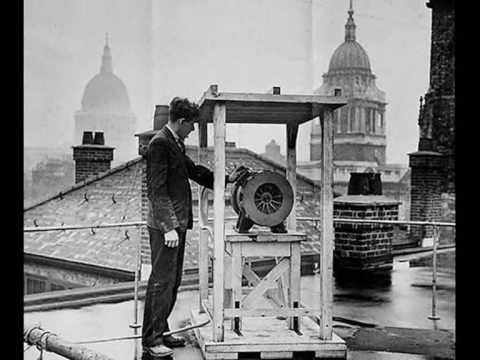 |
| Image found at: http://i1.ytimg.com/vi/9i1QAtET0ok/hqdefault.jpg |

Image found at:http://www.sutton-coldfield.net/ww2/air%20raid%20siren.jpg
The only information about who manufactured them is on this page about the blitz in Liverpool: Liverpool Blitz - the sound of the air raid siren. It says that Gents of Leicestershire made the sirens that were used in Britain throughout the war. Below is an excellent extract from a 1939 film, The Warning, courtesy of BFI.
Friday, 9 January 2015
Remember The Liverpool Blitz January 9th 1941
 |
| Lord St, Liverpool, found at:http://liverpoolblitz70.co.uk/wp-content/uploads/2011/03/lord-street-blitz-1.jpg |

Subscribe to:
Posts (Atom)