
Sunday, 26 October 2014
1st Vale of Pickering Scout Archives: War weekend 2014
1st Vale of Pickering Scout Archives: War weekend 2014: Well that's another War Weekend gone and lots of very interesting scouting chin wags, many nostalgic memories shared. A big thanks to th...


Thursday, 26 June 2014
Jack Higgins - Flight Of Eagles

Yes, I know I should be completing a blog post about D-Day, but I'm finding it heavy going at the moment.
I will be posting a blogpost about the Allied breakout in Normandy soon, but in the meantime here is a review of the excellent Second World War thriller by Jack Higgins; Flight of Eagles.
I have always been an avid reader of Higgins, his thrillers have the usual twists and turns but can also be very dark, they don't always have a happy ending. What I do like about this book is how it ties up with several others, especially Cold Harbour. The main characters in the book are twins, Harry and Max Kelso. Their father was American, the mother German. They both turned out to be great pilots whilst in their teens following World War 1, taking after their father who had been an ace. When their father dies they are separated, one brother staying in the United States, the other leaves for Germany with his Mother - Baroness Von Halder. I don't think this would really happen to any family, would you want to separate siblings, especially twins?
The twins join the R.A.F and Luftwaffe respectively and also like their father, become decorated heroes. Himmler becomes involved and takes a special interest as Baroness Von Halder is conspiring against Hitler with the military elite who also oppose him.
Higgins captures the atmosphere of London under the blitz, you can nearly hear the bombs drop, Brigadier Munro makes his usual appearance and the book begins with the author surviving an air crash and meeting a lifeboat crew who tell him the story of the twins...
I can highly recommend this book, if you haven't read it, order it from Amazon :-)
Sunday, 8 June 2014
D-Day- What Did It Achieve? #Dday70 #Dday
 |
| Royal Marines at Pegasus Bridge, image found at: |
http://www.military-art.com/mall/images/dhm1394.jpg
This question could be really simple to answer without going into great detail. Firstly Operation Overlord was the stepping stone the Allies needed to defeat Germany. They had to invade mainland Europe somewhere other than Italy, which turned out to be a tough old gut rather than the soft underbelly of Europe.
Caen was an objective which was supposed to have been taken on D-Day itself, but maybe it was an over ambitious objective? The British advanced from Sword Beach to 5km from Caen, they had landed 29,000 men and taken many prisoners. By noon the Juno, Sword and Gold beaches were consolidated into one large bridgehead. The British 6th Airborne had held onto Pegasus Bridge and the bridge at the River Orne and were relieved by Lord Lovat's Royal Marines. U.S paratroopers had caused havoc behind enemy lines even if most were dropped in the wrong areas. At Omaha beach, the Americans had encountered fierce opposition (352nd Infantry Division) and large numbers of beach obstacles and were nearly evacuated back onto the ships. At Utah Beach the American troops realised they had been landed in the wrong place, but took advantage of lighter opposition and made good progress inland.
Carentan, St Lo and Bayeux were objectives which were not captured on D-day, but the Allies were able to consolidate their foothold in France and land more men, vehicles and supplies on the beaches and by using the Mulberry Harbours. What did D-Day achieve? It helped end the war in Europe in less than 12 months from the 6th June 1944. We should not forget the sacrifice these people made.
Thursday, 5 June 2014
Waiting.... Would D-Day Be Cancelled Again? #Dday70 #DDay
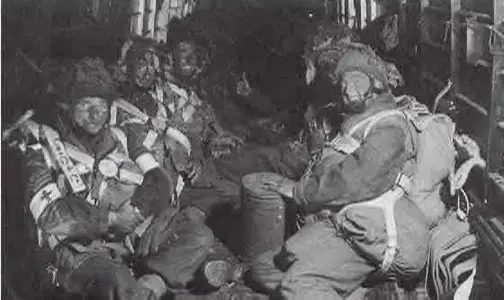 |
| British Paratroopers Operation Overlord found at: http://www.dday-overlord.com/img/para/gbbritanniques_interieur.jpgca/parachutistes_ |
Midget Submarines On D-Day #dday70 #dday
 |
| Midget Submarine X 23 alongside H.M.S Largs , image from: |
http://assets.dday7.channel4.com/images/timeline1024/4026-x23-alongside-hmslargs.jpg
Midget submarines played a vital part as any other naval craft on D-Day. Their task was to lie up off the Normandy coast on 4th June 1944 during the day, then surface at night. In the early hours of 5th June 1944 2 midget submarines surfaced only to receive a radio signal that the invasion was postponed due to bad weather. They had to dive and lie up for another day. They resurfaced on 6th June 1944 and set up their green signal beacons, which were 18ft high and shone a green light, visible to seaward but not from land. When the invasion fleet arrived they took the beacons down and erected signal flags.
 |
| Midget Submarine X 23 , image found at ibid. |
The use of these submarines were essential so that the troops landing landed in the correct place. During Operation Torch, some landing craft had hit a false beach, landed vehicles and men into the sea who then drowned. It was important, especially with a massive fleet used on D-Day that this was not repeated.
There is some useful info on this on the Royal Submarine Website .
Wednesday, 4 June 2014
Pegasus Bridge 6th June 1944 Glider Crew 6th Airborne Geoff Barkway & Peter Boyle #Dday #Dday70
This is an excellent excerpt from BBC News 2004 telling the story of 2 glider crew Geoff barkway & peter Boyle who landed their Horsa glider at Pegasus Bridge Benouville.
Monday, 2 June 2014
Who Were The Royal Navy Commandos? What Did They Do On D-Day? #D-day70
A few years ago at the World War 2 Weekend in Northallerton, I came across a branch of the Royal Navy I never even knew existed. Royal Navy Commandos.
They had taken part in all major operations including Dieppe and Italy. Their tasks were many and varied but always dangerous. One really dangerous task was the L.C.O.C.U - Landing Craft Obstacle Clearance Units. Basically their job was to go underwater, attach explosive charges to the teller mines which were on the beach obstacles, and when they had run out of explosives either make their way to the beach, or back to their boat.
 |
| Beach Obstacle With Teller Mine |
Able Seaman Andrew Henderson was part of a unit which exploded around 100 mines. They had enough oxygen for one hour and an emergency supply which would last 10 minutes.(Lee, p32).
 |
| L.C.O.C.U frogman training. |
I was surprised to find out in Beachhead Assault - The Story Of the Royal Naval Commandos In World War 2 by David Lee, that these commandos were present at Pegasus Bridge with the 6th Airborne. Wilf Fortune was a telegraphist with a Forward Observer Bombardment Party (FOB). He dropped into Normandy by parachute in the Ranville area with Captain Vere Hodge, and Leading Telegraphist Alex Bloomer. They made their way to Pegasus Bridge and set up their wireless set and were able to direct fire from a ship to prevent German counter-attack. (Lee, p.p 134-138).
Royal naval Commandos were also responsible for directing the traffic inland from the beach, no unenviable task. They did a good job, sorting out the traffic congestion and getting the wreckage moved out of the way.
Read: Beachhead Assault - The Story Of the Royal Naval Commandos In World War 2(2004) by David Lee.(London).

Sunday, 1 June 2014
#D-Day70 #D-Day 6th June 1944 #Operation Neptune was a largely British/Canadian Affair

Operation Neptune was the planning for the seaborne invasion of Normandy 6th June 1944. Over 70% of all naval craft which took part belonged either to the Royal or Canadian Navies. The rest came from the United States, Free French Dutch or Norwegian navies.
Over 5300 vessels took part. 57 British Destroyers, 30 American destroyers, and others from Norwegian, Dutch, French navies including HMS Svenner. 4126 landing craft and ships, 2 midget submarines, 736 ancillary vessels, 864 merchant ships and 189 minesweepers made up the bulk of the fleet.
The Royal Navy provided some heavy firepower including 6 battleships, 2 monitors and 16 cruisers. The U.S Navy sent 3 cruisers and 3 battleships.H.M.S Belfast fired the first shell on D-Day. Imagine waking up in a bunker and looking out of the observation slit and seeing this lot?
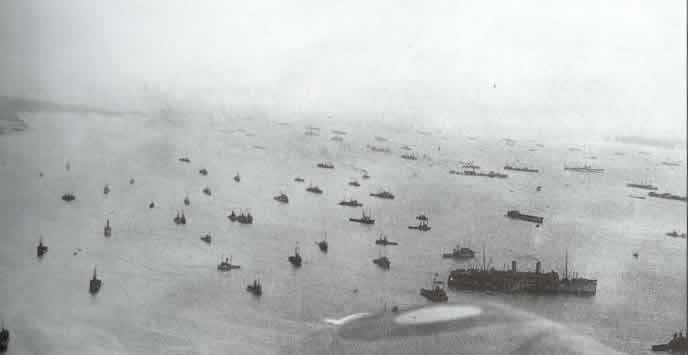 |
| The D-Day Fleet |
 |
| H.M.S Svenner |
Landing craft were largely made in the United States as the British shipyards were working flat out repairing the existing merchant and war fleets. They were also busy with the Mulberry Harbours. Landing Craft Personnel (LCP) and Landing Craft Vehicle and Personnel (LCVP) were used on D-Day. they were flat bottomed boats, able to get close into the beach and had a ramp at the front of the vessel which came down so men and vehicles could disembark. This was essential so the boat did not have to waste time turning round and reversing into the beach head.
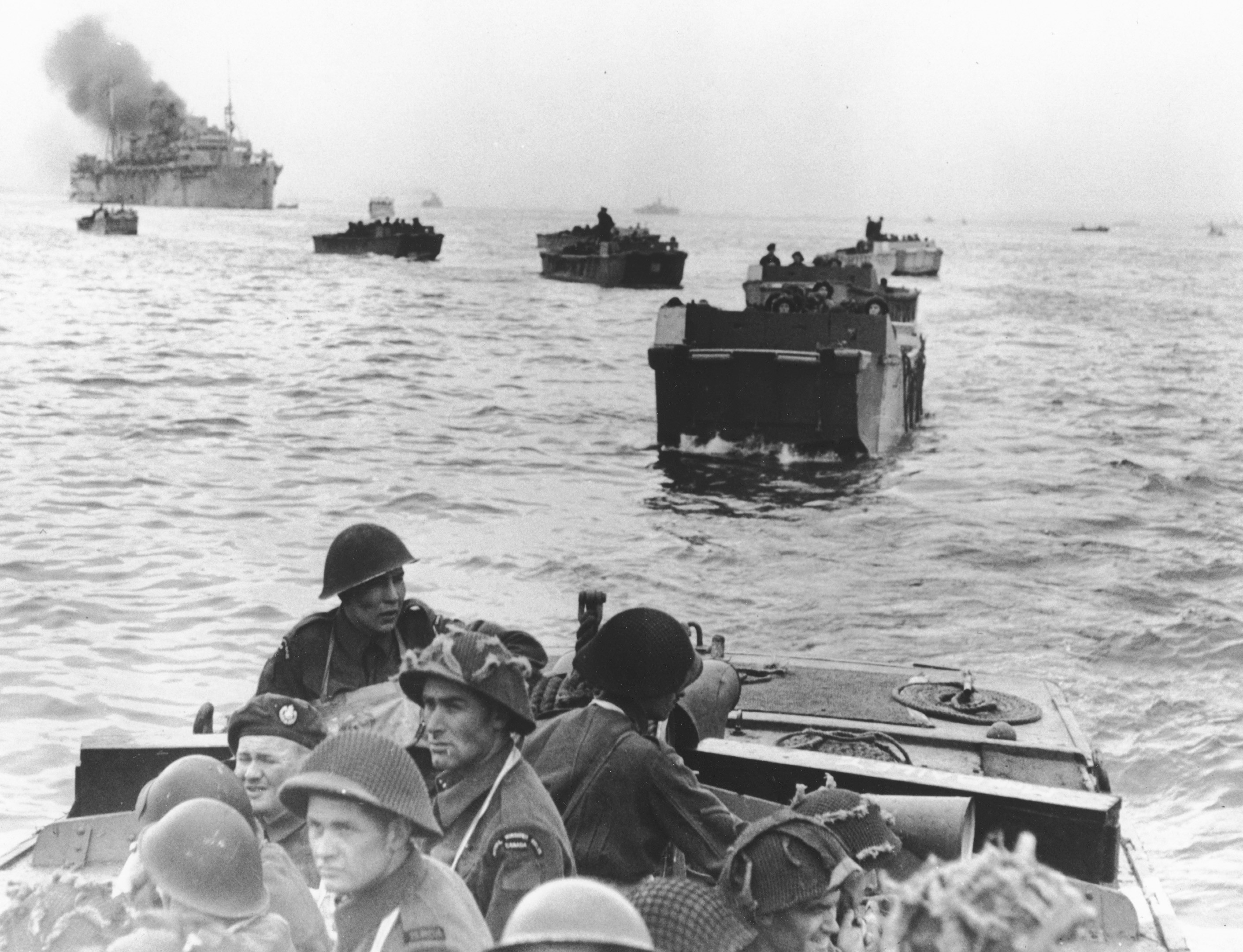 |
| Landing Craft- Canadian Troops At Juno Beach |
Saturday, 31 May 2014
#D-Day 6th June 1944 #DDay70 What Did Troops Eat on D-Day?

When troops either by sea or air landed in Normandy on D-Day how much food were they carrying? As a lover of food this is one issue that would concern me if I was a soldier. When would my next hot meal be?
The common consensus is that troops carried sufficient rations to last 24 hours. The British and Canadians had ration packs which included: meat, chocolate, oatmeal, sugar, chewing gum, matches, broth and boiled sweets. They would be supplied with a small stove to heat up water and cook the food which was mostly in dehydrated form or, like the meat tinned. There is an excellent website where you can buy reproduction rations here: Reprorations.com.
Friday, 30 May 2014
#D-Day #Horsa Gliders #DDay70
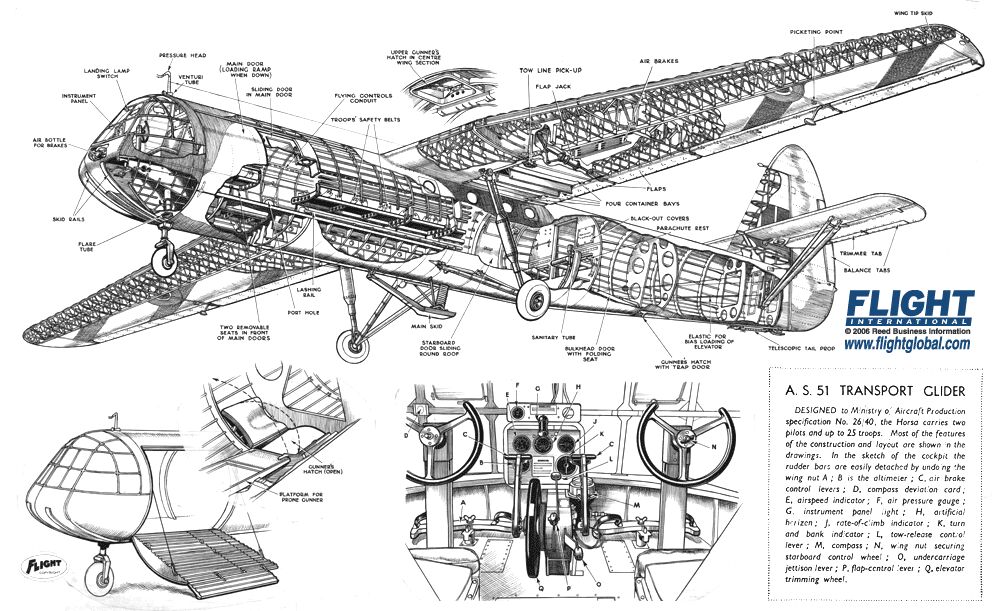 |
Exploded Image of The Horsa Glider
|
The Horsa glider is infamous for its role in airborne operations in the Second World War. Gliders were very useful as they created very little noise after they had been released from their tug plane.It could carry up to 25 troops with their equipment MilitaryFactory.com. The first time they were used in any numbers was the invasion of Sicily in 1943, many were released by tug aircraft too soon and crashed into the sea armyflying.com. The most successful operation was the capture of the 2 bridges in Normandy in the early hours of the 6th June 1944 - D-Day.(Please see previous entry on this post). Over 600 gliders were used in Operation Market Garden landing troops near Arnhem, and 400 in Operation Husky when the Allies crossed the Rhine.ArmyFlying.com.
Please see the Assault Glider trust Website where they are restoring a Horsa, loads of pictures and content. Assaultglidertrust
Subscribe to:
Posts (Atom)